
Laboratory equipment is essential for accurate research, testing, pharmaceutical applications, quality control, and educational laboratory work. From microscopes and centrifuges to PCR workstations, analytical instruments, and laboratory glassware, every instrument requires proper care to deliver reliable performance.
Regular maintenance helps prevent unexpected breakdowns, reduce repair costs, improve safety, and extend the working life of laboratory equipment. Proper cleaning, calibration, storage, and handling are especially important for laboratories that use their instruments frequently.
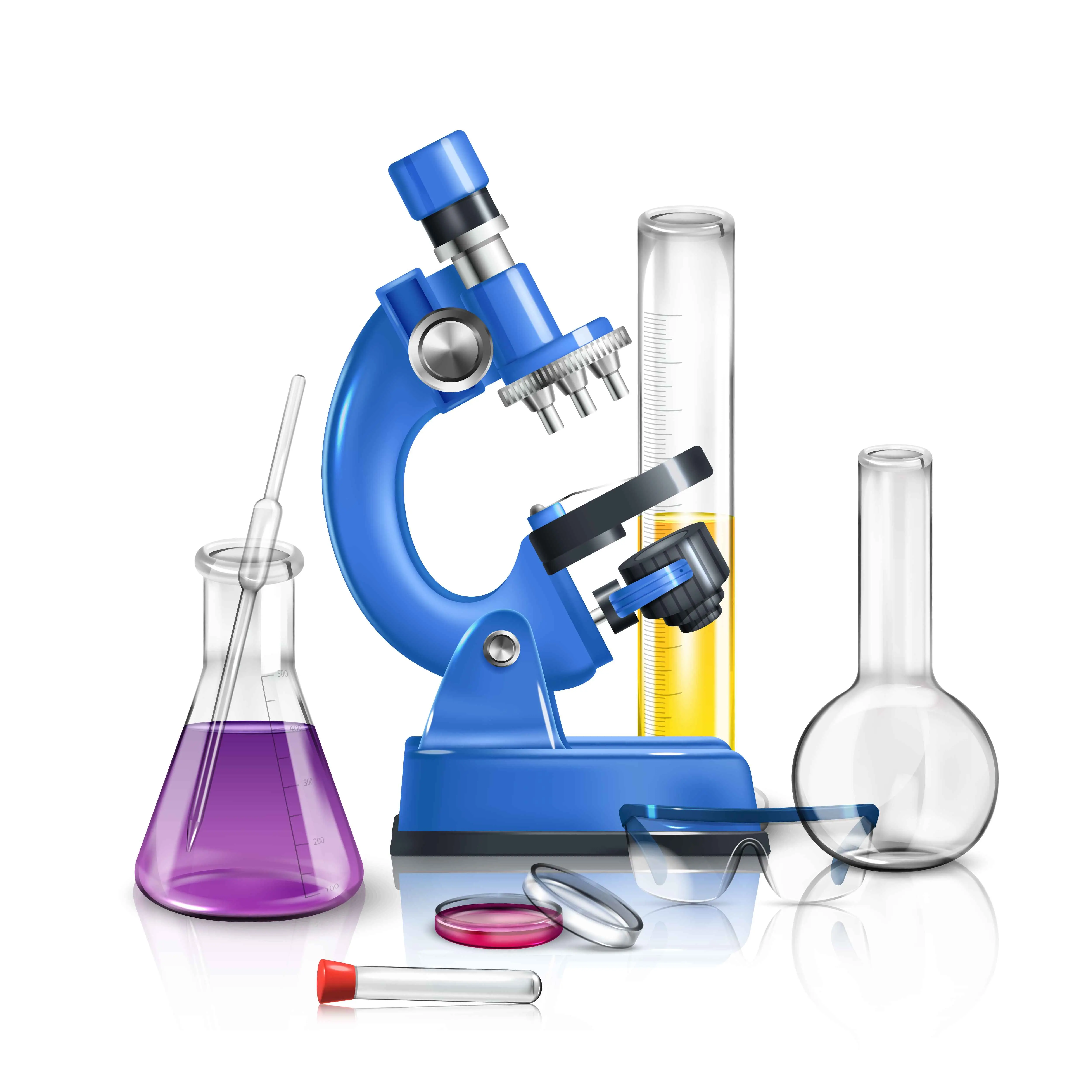
Regular cleaning is one of the most effective ways to protect laboratory equipment. Dust, chemical residues, biological materials, and accidental spills can affect equipment performance over time. Instruments should be cleaned after use using manufacturer-recommended cleaning solutions and appropriate materials.
Equipment used in pharmaceutical, clinical, and microbiology laboratories should also be disinfected properly to maintain hygienic and safe working conditions.
Calibration is essential for instruments where measurement accuracy affects test results. Equipment such as balances, pH meters, spectrophotometers, and temperature-controlled instruments should be calibrated at recommended intervals.
Regular inspections should also be performed to identify damaged cables, loose components, unusual sounds, leaks, cracks, or other signs of malfunction before they become serious problems.
Regular preventive maintenance helps identify potential equipment problems before they lead to unexpected breakdowns. Create a maintenance schedule based on equipment type, frequency of use, and manufacturer recommendations.
Professional servicing should be carried out periodically, especially for complex instruments, electrical components, sensors, and precision equipment.
Improper handling can significantly reduce the lifespan of laboratory equipment. Staff should always follow the manufacturer's operating instructions and avoid overloading, excessive force, sudden movement, or unauthorized modifications.
Proper training and standard operating procedures help laboratory personnel use equipment safely while reducing accidental damage and operational errors.
Laboratory equipment should be stored in clean, dry, and secure locations when not in use. Sensitive instruments should be protected from dust, moisture, direct sunlight, excessive heat, and other environmental factors.
Maintaining suitable temperature, humidity, ventilation, and cleanliness can help prevent corrosion, electrical problems, and performance issues.
Keep detailed records of cleaning, calibration, servicing, repairs, inspections, and replacement parts for every important instrument. These records help laboratory managers track maintenance schedules and identify recurring problems.
Worn components such as filters, seals, tubing, batteries, lamps, electrodes, and cables should be replaced on time using genuine or manufacturer-approved parts.
Every laboratory instrument has specific requirements for operation, cleaning, calibration, storage, and servicing. Always follow the manufacturer's instructions instead of applying general maintenance procedures that may not be suitable for the equipment.
Following recommended guidelines helps maintain original performance, improve reliability, and prevent unnecessary damage or premature equipment failure.
Safety should always be a priority when cleaning, servicing, calibrating, or repairing laboratory equipment. Electrical instruments should be disconnected from power when required, and appropriate precautions should be followed when handling chemicals or biological materials.
Only trained and authorized personnel should perform complex repairs or maintenance. Proper safety practices protect both laboratory staff and valuable equipment.
Proper laboratory equipment maintenance is essential for achieving accurate results, minimizing downtime, improving safety, and extending equipment lifespan. Regular cleaning, calibration, preventive servicing, careful handling, proper storage, detailed records, and staff training can help laboratories get maximum value from their equipment.
Looking for high-quality laboratory and pharmaceutical equipment in Haryana? Esco Labs provides reliable and efficient laboratory solutions designed to support research, testing, educational, and pharmaceutical applications.
Esco Labs provides high-quality laboratory and pharmaceutical equipment designed for reliable performance, precision, safety, and long-term use.. Read More
© Copyright | All Rights Reserved | Designed By Web World India